
Living Lightly in the Highlands

Trail Footprints That Fade
Reading the Mountain’s Cues
Learn to spot telltale signs of stress—trampled lichens near snowmelt, widening braids in muddy paths, or birds nest-guarding with sharp chips—then choose routes that relieve pressure. A dawn hiker once watched boot prints steer onto bedrock slabs, saving a meadow quilted with paintbrush. Your attention becomes stewardship, turning observation into gentle navigation that keeps habitats resilient for the next storm, herd movement, and curious child with binoculars.
Pacing That Protects
Slow, even strides reduce skidding and erosion, while microbreaks in durable spots prevent spontaneous side trails. Consider poles with rubber tips when soils are saturated, and shorten steps on descents to keep gravel in place. On one frosty traverse, a patient group reached the lake minutes later yet left almost no visible trace, trading speed for stillness, conversation, and steady breath. Protective pacing preserves beauty and energy, creating safer, kinder journeys for all.
Group Etiquette, Solo Mindfulness
Moving as a group multiplies effects, so stagger spacing through narrow sections, gather on rock rather than plants, and keep voices soft where wildlife is feeding. Solo hikers can mirror this courtesy by yielding early and choosing scenic rests off the main corridor. A child’s laughter might float across a basin, but it needn’t chase the pika from its larder. Courtesy scales impact down while lifting the mood, trust, and pace.
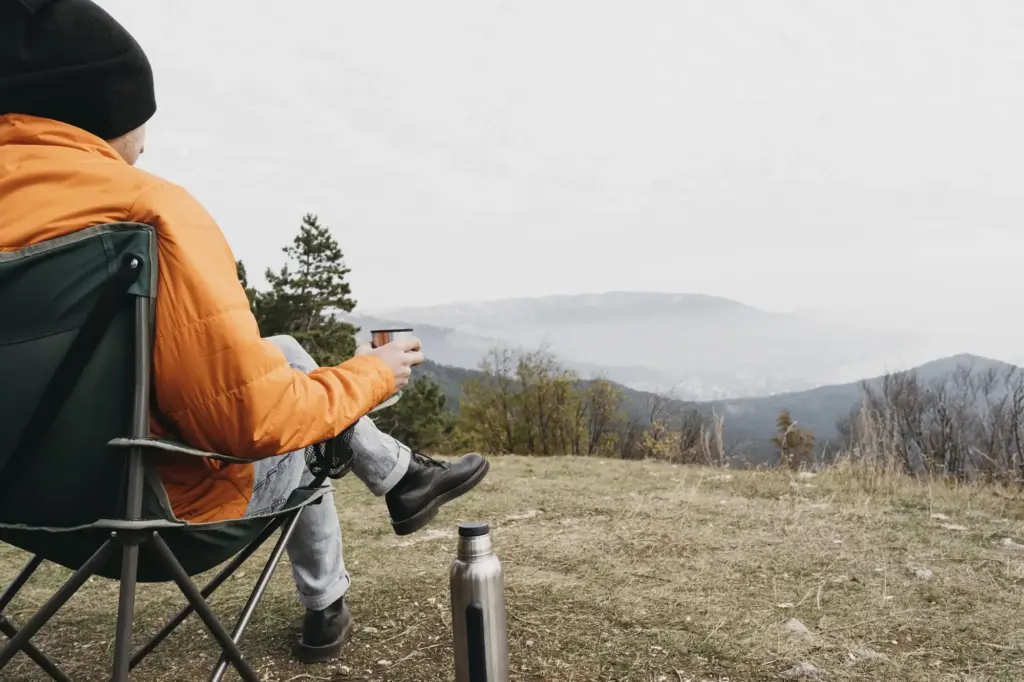
Sips That Honor the Source
Nights That Gather the Valley
Gearing Up Without Weighing Down
Repair, Rent, Repeat
Community libraries, co-ops, and outfitters with rental fleets let you test snowshoes, bear canisters, or four-season tents before committing resources. Patches add history, not shame; darning a wool hat can feel like storytelling. Share tools—needle kits, zipper sliders, pole baskets—at trailheads or music nights. When you finally purchase, choose lifetime warranties and modular designs. Money saved funds local art, sandwiches for volunteers, and bus tickets that replace solo drives to crowded passes.
Materials That Matter
Recycled nylon, bio-based foams, undyed merino, and PFC-free waterproofing reduce chemical burdens while performing admirably for most conditions. Seek certifications with transparent audits, but also read field reports from everyday hikers across wet shoulder seasons. One rain shell with replaceable cuffs outlasted two flashy models, cutting waste in half. Care routines—cold washes, gentle soaps, air-drying—extend life and shed fewer fibers. Materials are stories we wear, telling others what futures we value.
Pack Light, Pack Right
A precise checklist curbs last-minute stuffing that strains zippers and trails alike. Map, layers, repair tape, water filter, headlamp, snacks, and an emergency blanket often suffice for day missions. Pre-portion foods to avoid litter. Swap single-use batteries for rechargeables and carry a tiny power bank only when necessary. Balanced weight keeps feet sure on scree, reduces off-trail detours, and leaves enough energy to clap along during the evening’s gently glowing gathering under peaks.
Travel That Cuts Carbon on the Climb
Link the Last Mile
Smarter Itineraries, Smaller Emissions
Hands in the Dirt, Hearts in the Work
Join crews learning drainage angles, brushing corridors, and rerouting braids that bleed soil. A brewer might bring grain bars; a bassist might bring rhythm for shovel cadence. Afterwards, celebrate with sodas and simple tunes under cottonwoods, trading blister tape and plant lore. Volunteering teaches mechanics behind durable trails, turning future footsteps precise. The land remembers, keeping water clear, roots anchored, and your next hike quieter, safer, and stitched with thankful echoes.
Funding the Future of Sound and Savor
Sliding-scale events and community chests cushion costs for emerging artists, interpreters, childcare, and accessible transport. Breweries can earmark a brew day for restoration funds, while listeners commit to recurring micro-donations. Transparent ledgers and brief updates build trust. Picture a harvest ale whose label recounts trail repairs you helped buy. Financial participation respects labor and ecosystems equally, ensuring glowing porches, careful pours, and mellow trails continue welcoming neighbors long after selfie seasons pass.
Your Voice, Our Campfire
Stories fuel improvements. Share respectful feedback on trail signage, taproom refill stations, or accessibility at music nights. Offer to guest-write field notes, send photos that teach, or record oral histories with elders who remember older paths and songs. Invite friends to subscribe, comment, and join the next gathering. Collective voices guide decisions, revealing blind spots with warmth rather than blame, so the culture grows sturdier, kinder, and wonderfully, unmistakably rooted in place.